PVD Vacuum Coating for Demanding Parts — Since 2007
Xi’an Zhiyang Baina Vacuum Coating Co., Ltd. has specialized in PVD (physical vapour deposition) surface treatment since 2007, based in Xi’an, Shaanxi, China. We deposit micron-scale hard and functional films on moulds, cutting tools, automotive and marine components, medical instruments, electronics, aerospace and defence parts — solving wear, corrosion, material pick-up (galling) and discolouration at the surface, where failures actually start.
Our services cover toll coating of customer-supplied parts, custom coating development, coating technology cooperation, PVD equipment manufacturing and technical consulting.
Eight application areas — coatings specified by part type
Different parts fail in different ways, so coating selection differs. Our eight business lines cover high-requirement parts from tooling to airframes:
PVD Coating for Moulds and Cutting Tools
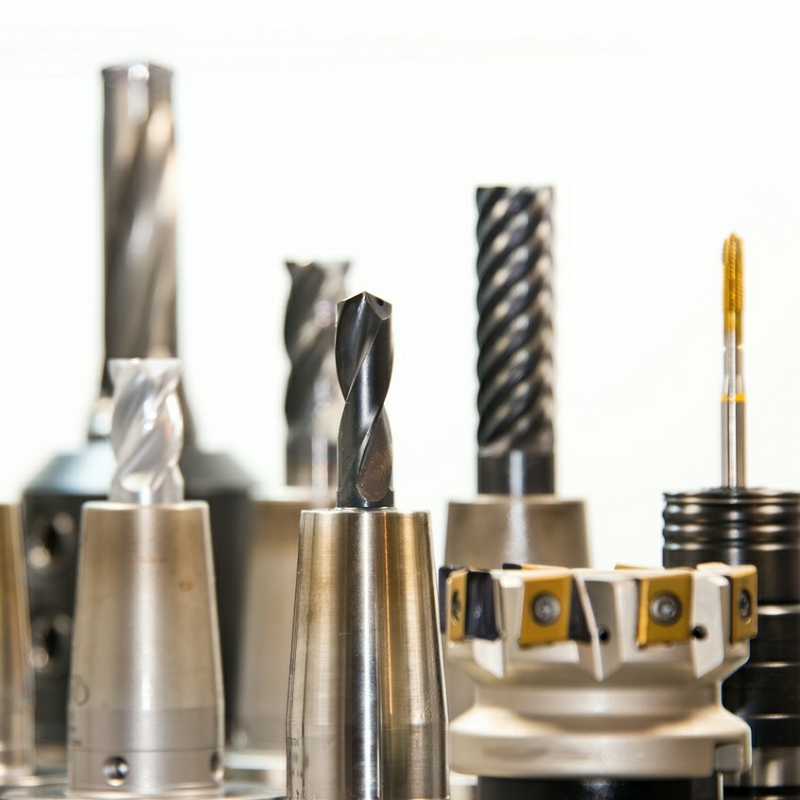
Injection, die-casting and stamping cavities and cores; carbide end mills, drills, taps and punches. TiAlN, CrN and DLC fight abrasive wear, corrosion pitting and material pick-up — mould maintenance intervals for glass-fibre-filled plastics often reach 2–4× the uncoated life (typical).
PVD Coating for Automotive and Marine Parts
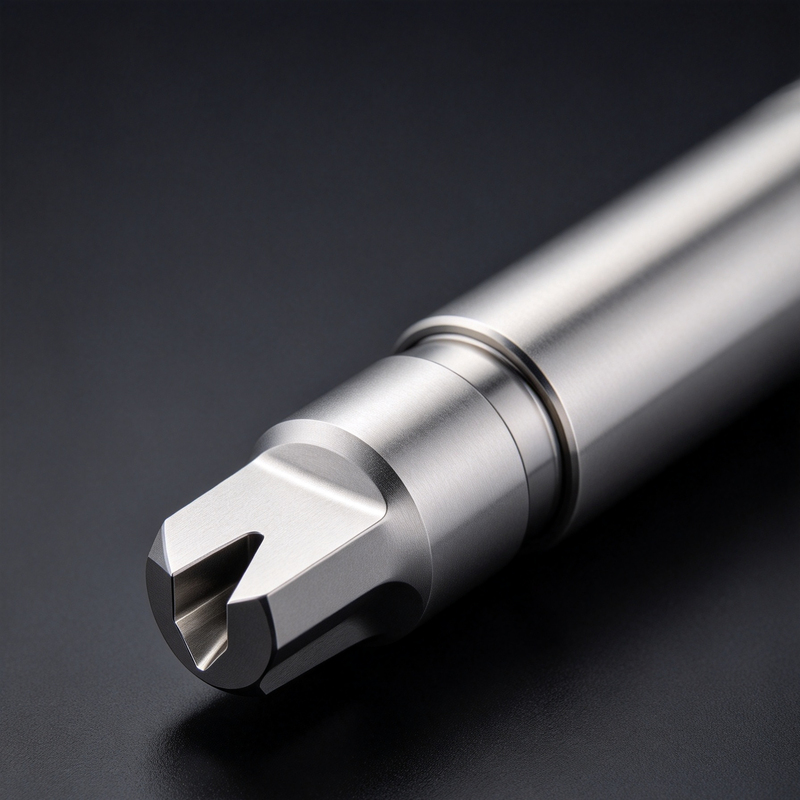
Gearbox gears, piston rings, injectors, shift forks, turbine journals; marine gearbox and steering shafts. TiN, CrN and DLC control wear, corrosion and seizing; DLC meshing friction loss typically drops 10–25% (typical).
PVD Coating for Watches, Jewellery and Crafts
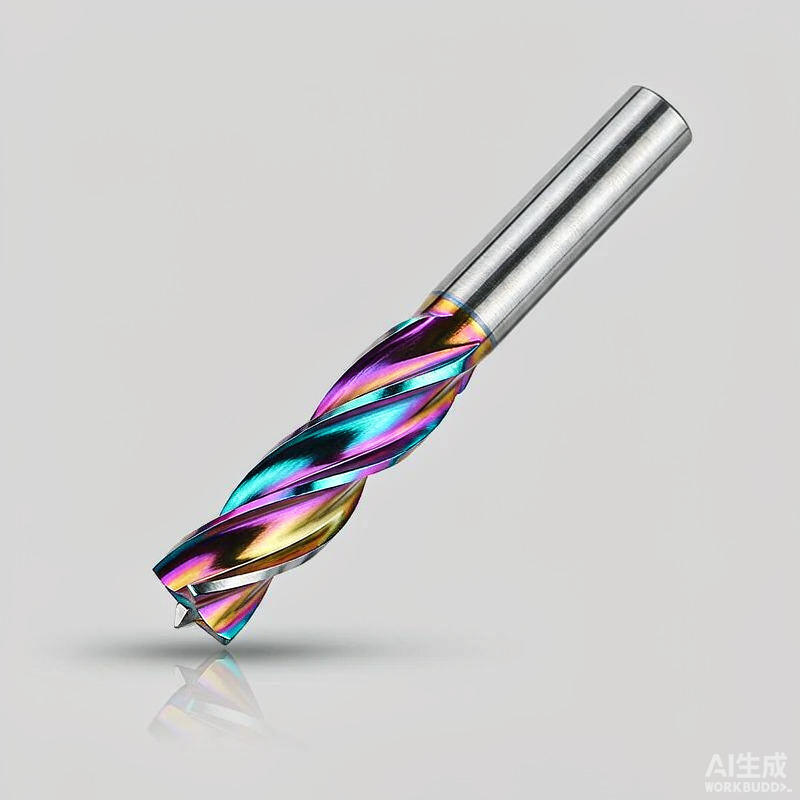
Watch cases and bracelets, jewellery, metal crafts, bathroom and kitchen hardware. Gold TiN, rose-gold, black and coloured DLC put colour and wear resistance in one layer; adhesion reaches the top ASTM D3359 grade 5B (typical).
PVD Coating for High-Precision Components

Spindles, bearings, guides, valve stems, robot joints. DLC and CrN cut friction and wear within 1–3 μm; bearing fatigue life L10 often improves 2–4× under clean lubrication (typical).
PVD Coating for Aerospace and Defence Parts
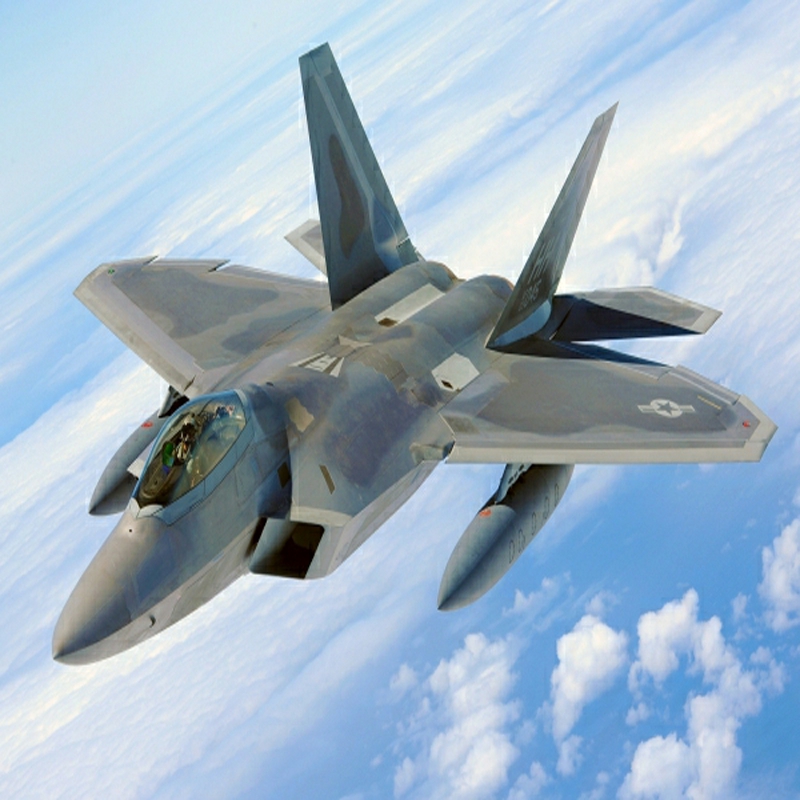
Hot-section and engine parts, antenna and RF components, airframe structures. The TiAlN family only begins significant oxidation at 750–830°C; hot-corrosion mass-loss rate runs 5–10× lower than uncoated parts (typical).
PVD Coating for Surgical and Medical Instruments
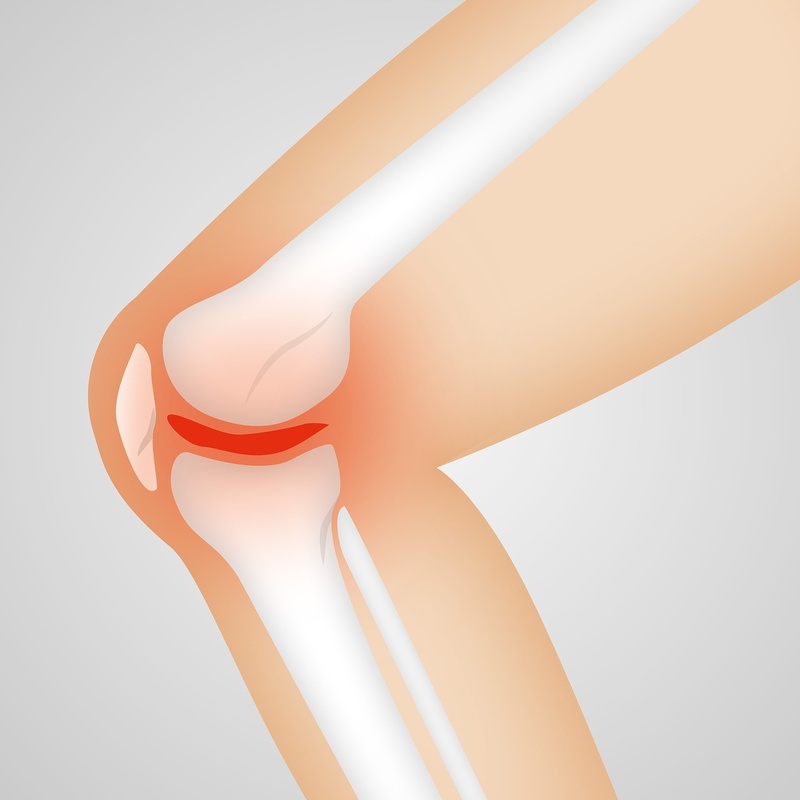
Electrosurgical electrodes, scissors, haemostatic forceps, dental instruments. DLC/ta-C combines wear resistance, corrosion resistance and non-stick tissue behaviour, withstanding 1000 autoclave cycles at 134°C (typical).
PVD Coating for Electronics and Telecommunications
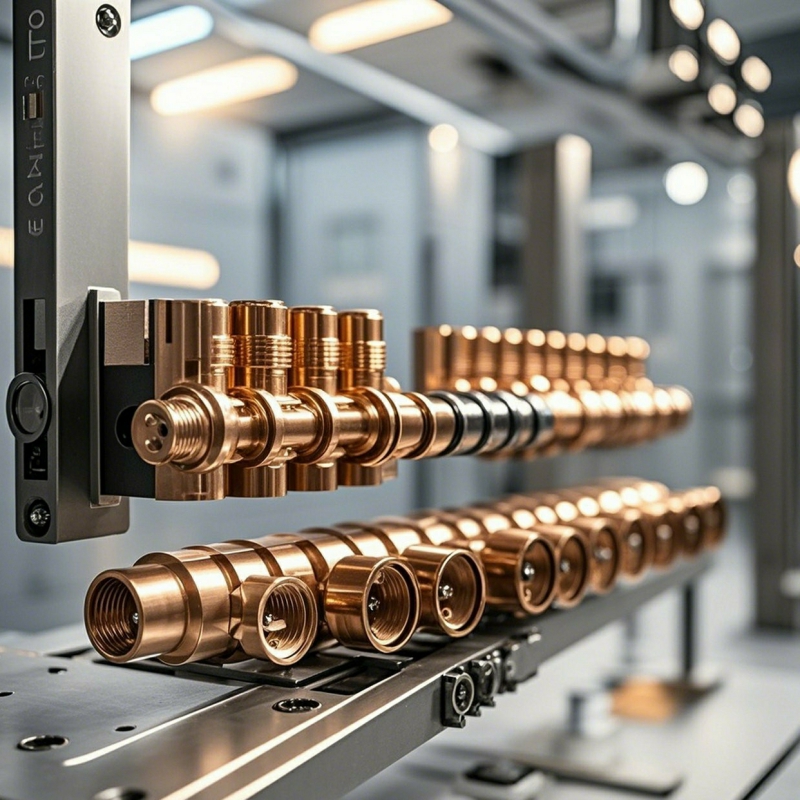
Connector terminals, shielding cans, antennas, consumer-electronics housings. TiN and composite multilayers control contact resistance and insertion wear; USB-C insertion force can drop 25–35% (typical).
PVD Coating for Other Special Parts
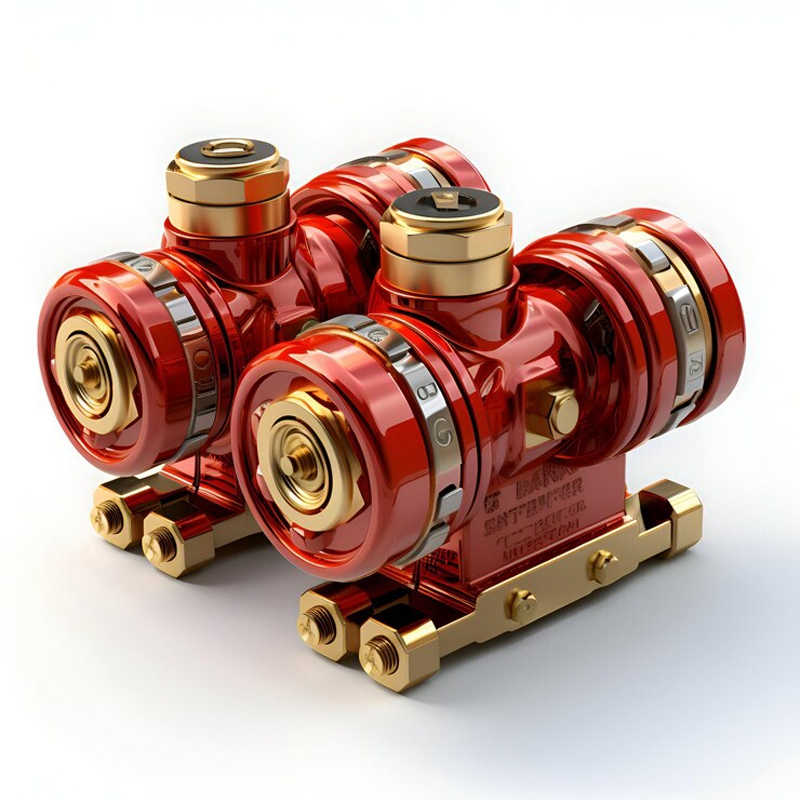
Extruder screws, fluid valves, electrodes, ceramic/glass and plastic parts. Film and temperature are specified per substrate and duty — from TiN, CrN, DLC up to high-temperature TiAlN/AlCrN.
Four process steps decide whether the coating sticks and lasts
- Pre-treatment: ultrasonic cleaning, de-magnetising, defect inspection and necessary polishing — surface cleanliness directly decides adhesion.
- Ion bombardment: in-vacuum ion etching cleans and activates the substrate, giving the film a strong interface.
- Deposition: arc ion plating, magnetron sputtering and mid-frequency sputtering are chosen per film system, controlling temperature, bias and thickness.
- Post-treatment: cooling, appearance and thickness inspection, de-burring, dimensional re-check, polishing if needed.
Common coatings and typical parameters
| Coating | Hardness | Friction (vs steel, dry) | Temperature (in air) | Typical use |
|---|---|---|---|---|
| TiN (titanium nitride) | HV 2000–2500 | 0.4–0.6 | ~500°C long term | general wear, gold decoration |
| TiCN (carbonitride) | HV 2800–3200 | lower than TiN | ~400°C | taps, anti-galling cutting |
| TiAlN (Al-Ti nitride) | HV 2800–3300 | 0.5–0.7 | significant oxidation 750–830°C | high-speed cutting, hot parts |
| CrN (chrome nitride) | HV 1800–2200 | 0.3–0.5 | stable below 600°C | corrosion-resistant moulds, shafts, rings |
| DLC (diamond-like carbon) | HV 2000–5000 (by system) | 0.08–0.2 | ~350°C (ta-C max service) | friction reduction, non-stick, black decor |
High-temperature systems such as AlCrN and MCrAlY, and decorative rose-gold films, are evaluated per duty. Values above are industry-typical and vary with substrate, process and service conditions.
Whether we can coat it, and whether it stays stable, is backed by equipment and data
We record process-window parameters per batch — base vacuum typically below 5×10⁻³ Pa, working pressure 0.5–2 Pa, bias −50 to −150 V, deposition temperature 200–450°C, film thickness 2–6 μm (typical). Coatings are checked per batch for appearance, thickness and adhesion; custom duties are engineered inside this window.
Before you send parts, you probably want to ask
What parts can be coated?
Mostly metals: mould steels, carbides, stainless steel, high-speed steel, copper and aluminium alloys; some ceramics, glass and heat-resistant plastics can be evaluated on a low-temperature route. Parts with deep holes, blind holes or complex internal cavities need tooling-access review first.
Will film thickness affect fit dimensions?
A PVD film is usually 1–5 μm per side. Precision fits (e.g. H7/g6) count the film into the tolerance review; thickness-sensitive areas can use a sub-1 μm layer or local masking.
Do you take single pieces or small batches?
Yes. Trial coating on supplied samples is itself how cooperation starts — small-batch validation comes before volume.
How long does it take?
Lead time is evaluated by film system and batch scheduling; trial parts get priority. Exact delivery is confirmed at sample evaluation.
Send us your parts and let’s see if we can solve it
Send us your part and operating conditions via our contact page. We offer a free trial coating evaluation. You can also read our company profile and the application pages.